
Badkhal Flyover, Sector 21A,Asian Hospital, Faridabad, Haryana 121001


Our Latest Blogs

Stay updated with expert tips, recovery guides, and health insights.

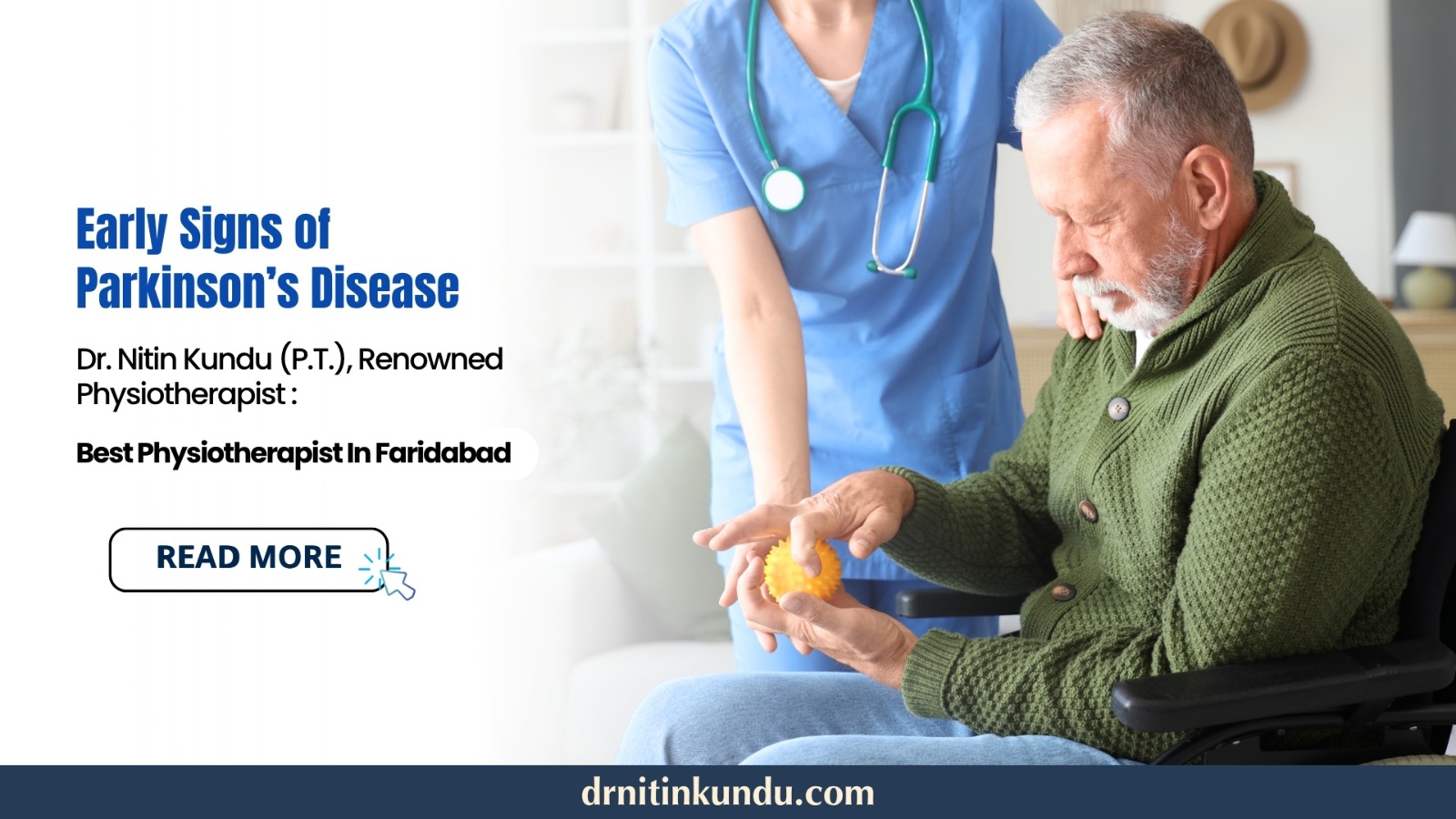
Early Signs of Parkinson’s Disease

Parkinson’s disease is a progressive neurological disorder that primarily affects movement due to the gradual loss of dopamine-producing cells in the brain. In its early stages, the symptoms are often subtle and can easily be mistaken for normal aging or everyday stress. Common early signs include mild tremors in the hands, slowed movements (bradykinesia), changes in handwriting, reduced sense of smell, sleep disturbances, constipation, soft or low voice, and reduced facial expressions. Many individuals may also experience mood changes such as anxiety or depression even before noticeable physical symptoms appear.


Recognizing these early warning signs is extremely important, as timely diagnosis and intervention can significantly improve long-term outcomes. Early physiotherapy and neuro-rehabilitation help in maintaining mobility, improving balance, and slowing the progression of symptoms. With the right approach, patients can continue to lead active and independent lives for a longer duration.

If you or your loved ones notice persistent changes in movement, speech, or behavior, it is important not to ignore them. Early consultation with a specialist can make a meaningful difference in recovery and quality of life. Dr. Nitin Kundu, Physiotherapist in Faridabad, emphasizes the importance of early intervention and personalized rehabilitation programs to help patients manage Parkinson’s disease effectively and maintain their independence.
When Should You Visit a Physiotherapist?

Physiotherapy plays a vital role in maintaining mobility, reducing pain, and improving overall physical function. While many people think it is only needed after surgery or major injuries, it is equally important for managing everyday issues like persistent muscle or joint pain, posture-related problems, and reduced mobility. Symptoms such as continuous neck, back, shoulder, or knee pain, stiffness, difficulty in movement, or frequent discomfort during daily activities should not be ignored. Early physiotherapy assessment helps identify the root cause and prevents minor problems from turning into chronic conditions.


Physiotherapy is also essential after injuries, surgeries, or in conditions like arthritis, frozen shoulder, and neurological disorders such as stroke or Parkinson’s disease. It aids in reducing pain, improving strength, restoring joint movement, and enhancing balance and coordination. People experiencing frequent falls, muscle weakness, or limited flexibility can greatly benefit from targeted rehabilitation programs. Additionally, modern lifestyle habits like prolonged sitting and poor posture make physiotherapy crucial for correcting alignment and preventing long-term complications.


Consulting a physiotherapist at the right time can significantly speed up recovery and improve quality of life. Early intervention not only reduces pain but also helps individuals regain independence and return to their normal routine faster. Dr. Nitin Kundu, Physiotherapist in Faridabad, emphasizes that timely assessment and personalized rehabilitation plans are key to achieving long-term health, better mobility, and a pain-free life.

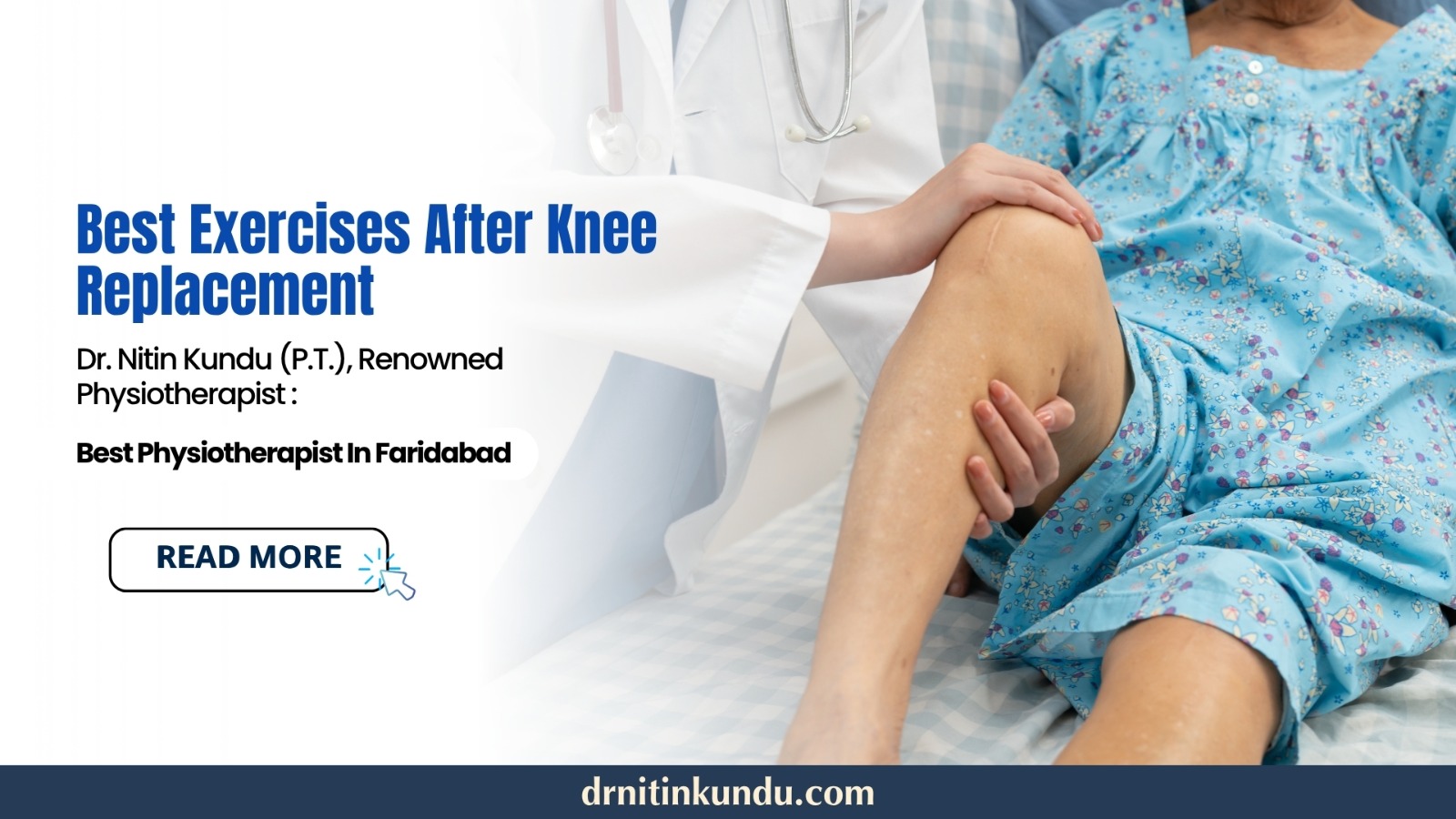
Best Exercises After Knee Replacement

Total Knee Replacement (TKR) is a highly effective procedure for relieving severe knee pain caused by arthritis or injury, but surgery alone is not enough for full recovery. Physiotherapy and regular exercises play a crucial role in restoring knee mobility, improving muscle strength, and helping patients return to their daily activities. After surgery, the knee may feel stiff and the surrounding muscles weak, which is why a structured rehabilitation program is essential. Simple exercises like ankle pumps, quadriceps strengthening, heel slides, and straight leg raises help improve blood circulation, increase flexibility, and gradually restore the knee’s range of motion.


As recovery progresses, exercises such as hamstring curls, calf raises, stationary cycling, and walking become important to build strength, improve balance, and enhance overall endurance. These exercises not only support better walking patterns but also reduce the risk of complications like stiffness, swelling, and blood clots. Consistency is key—performing guided exercises daily under professional supervision ensures safe and effective recovery while preventing long-term limitations.


With the right rehabilitation approach, patients can regain confidence, mobility, and independence after knee replacement. Early physiotherapy, gradual progression, and proper technique are essential for achieving the best results. Dr. Nitin Kundu, Physiotherapist in Faridabad, emphasizes that a personalized exercise plan combined with regular follow-up plays a vital role in ensuring long-term success and a pain-free, active lifestyle after knee replacement surgery.