



Benefits:
- Best opportunity to slow symptom progression
- Improvements in balance, gait, and posture are most responsive
- Neuroplasticity is highest, so therapy gives faster results
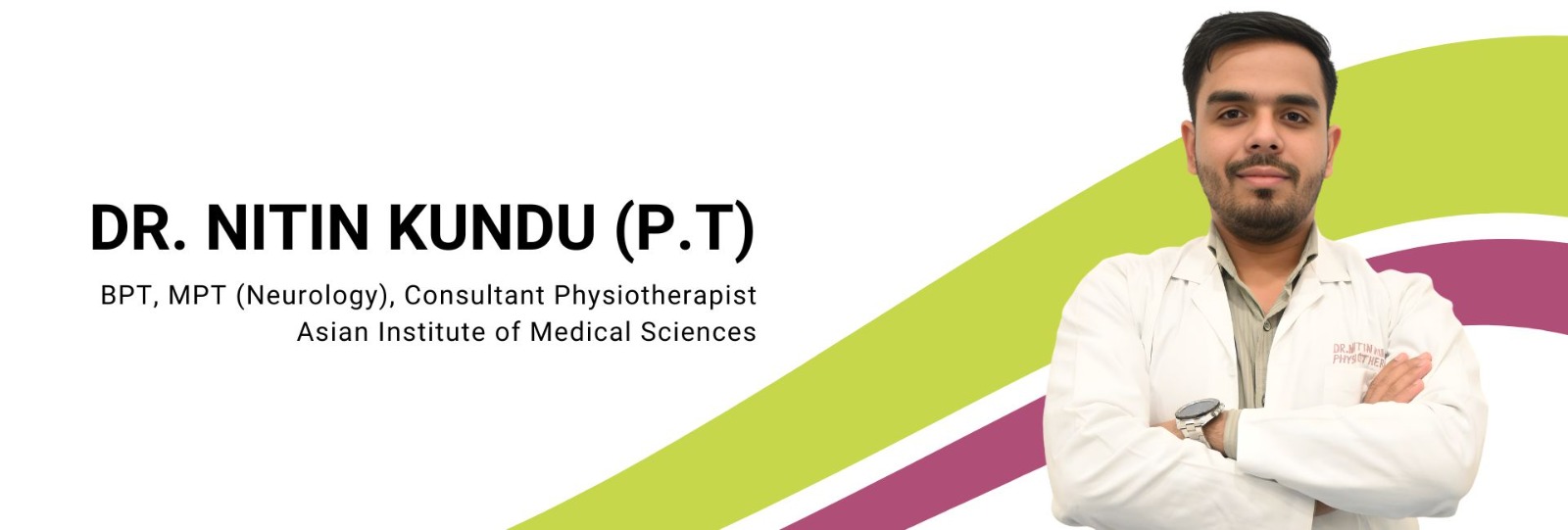
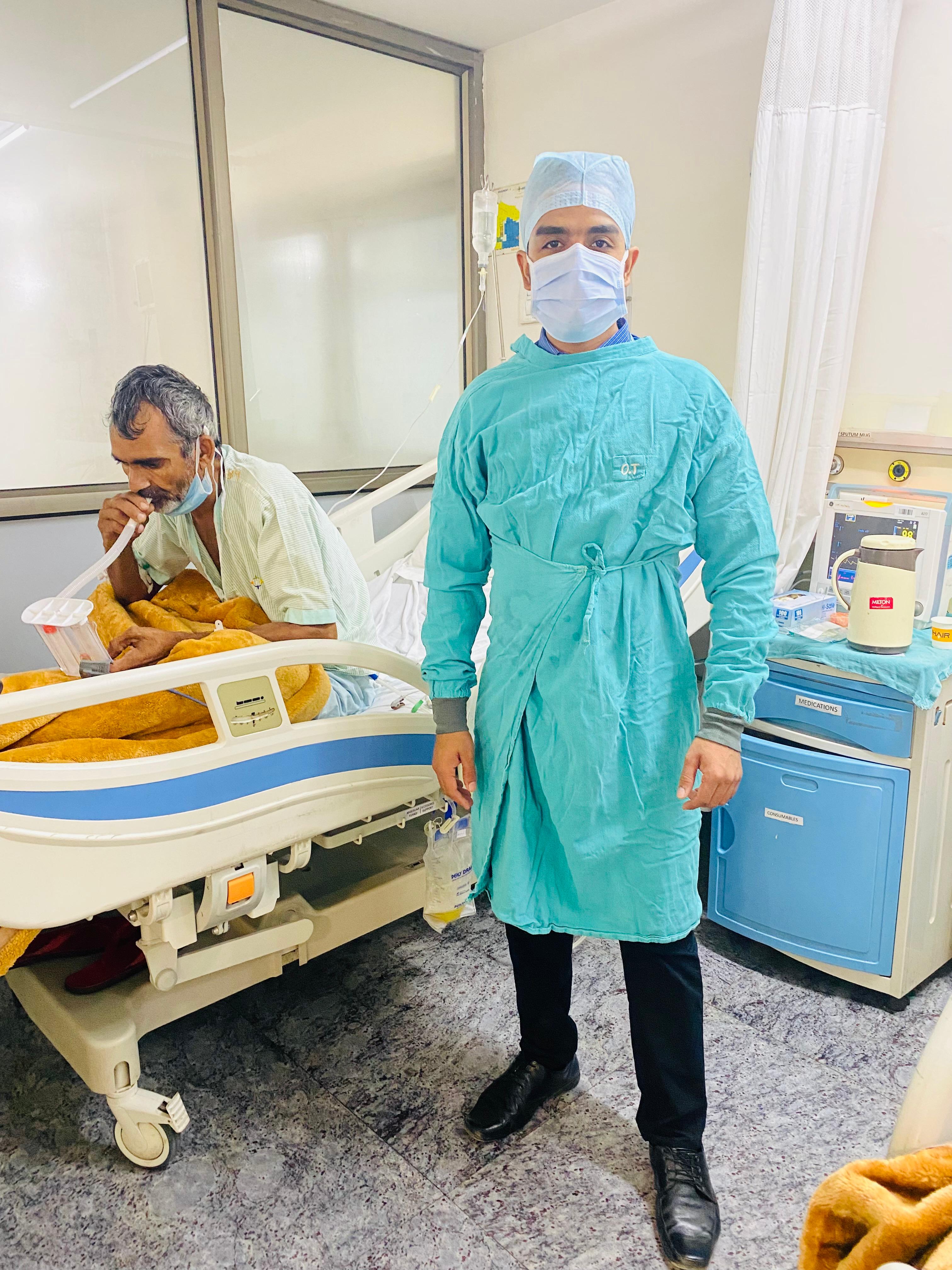
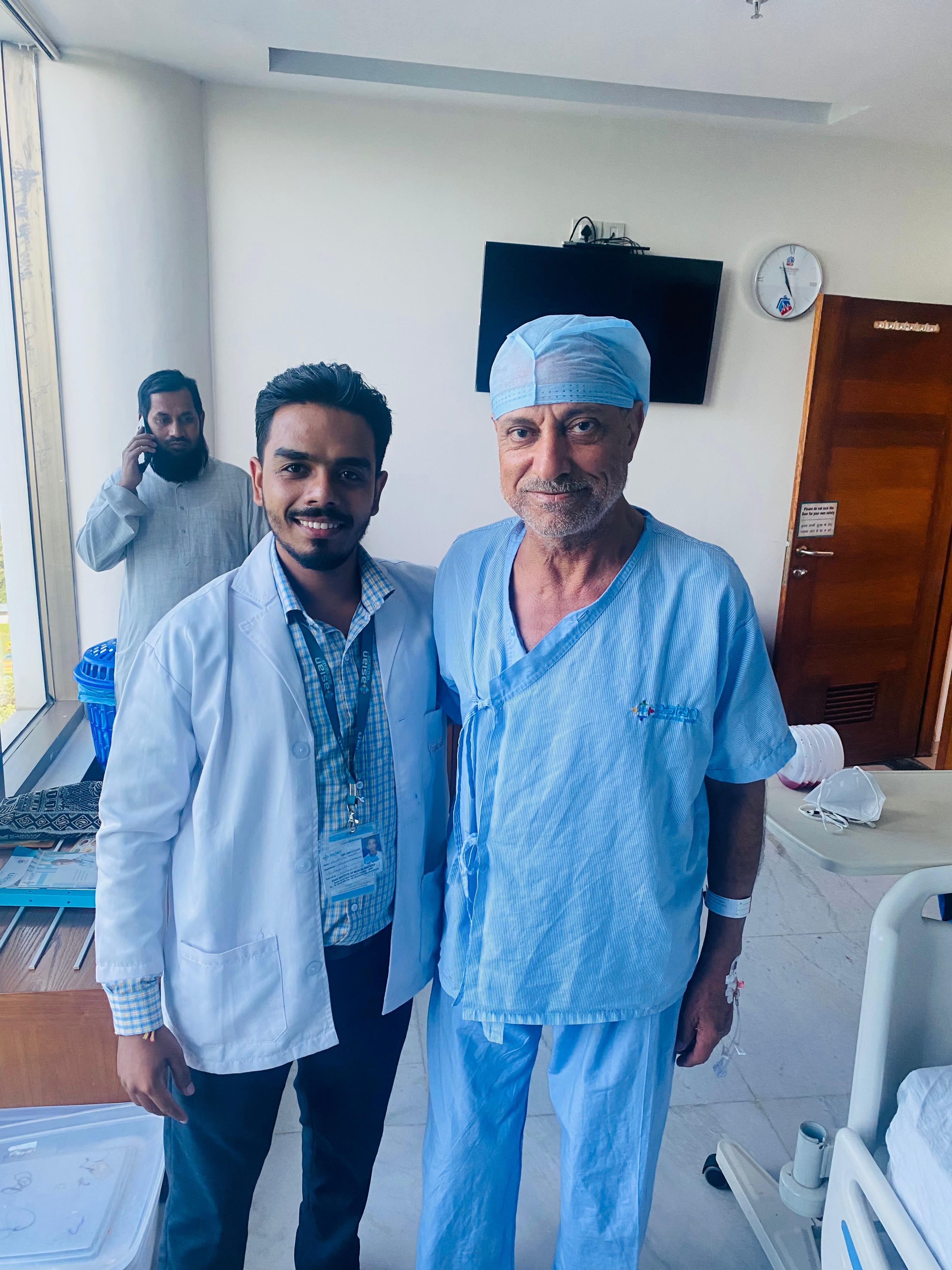
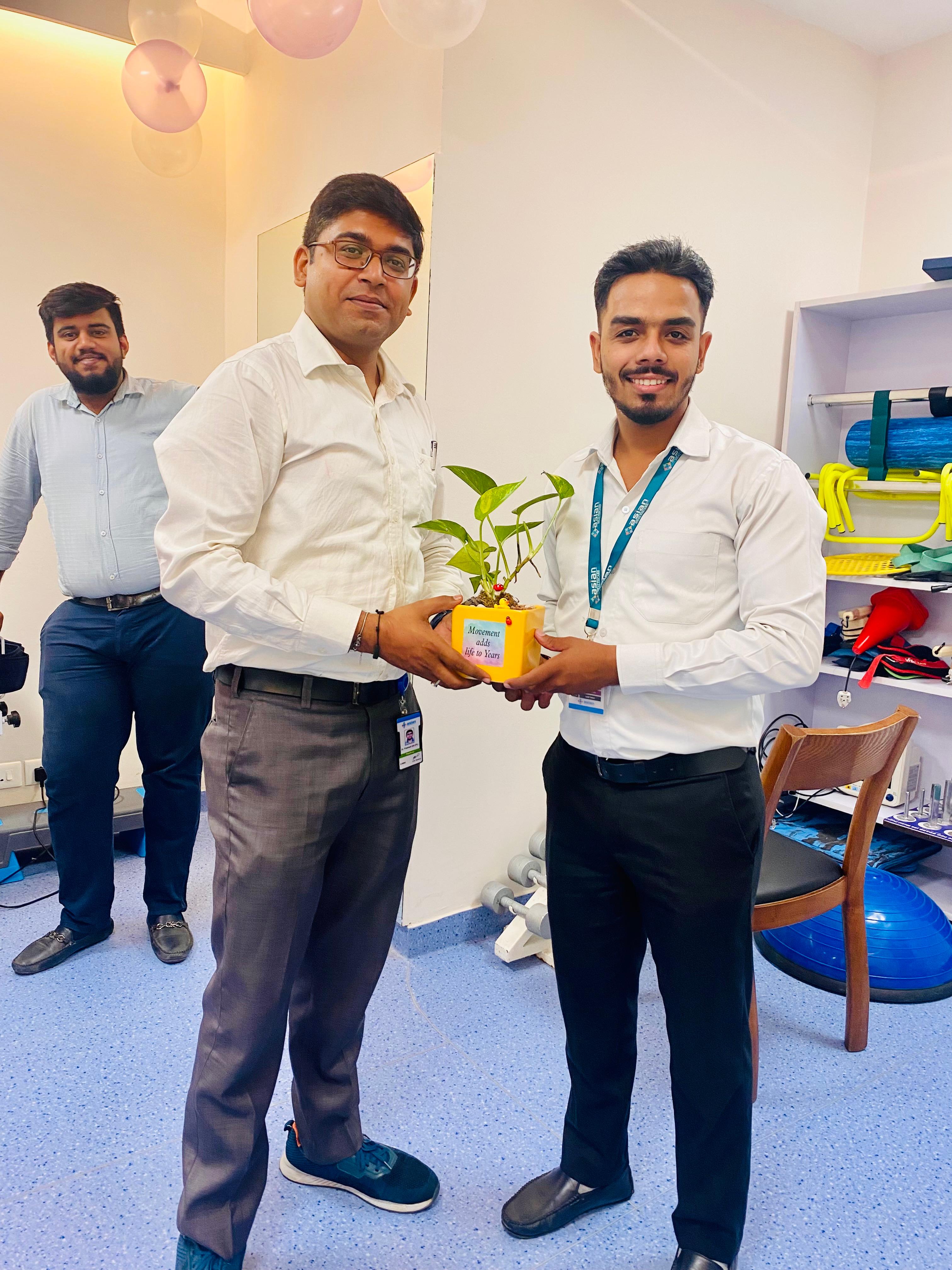
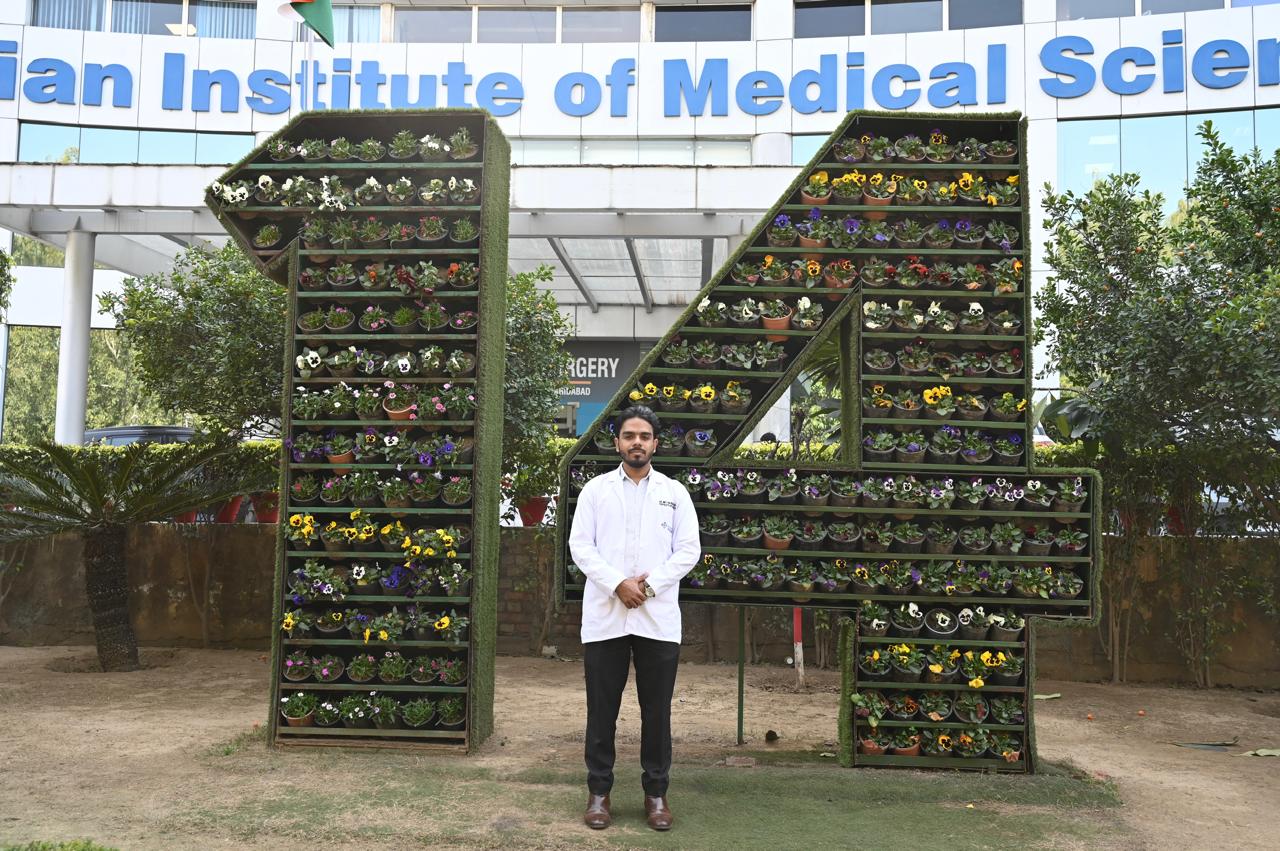
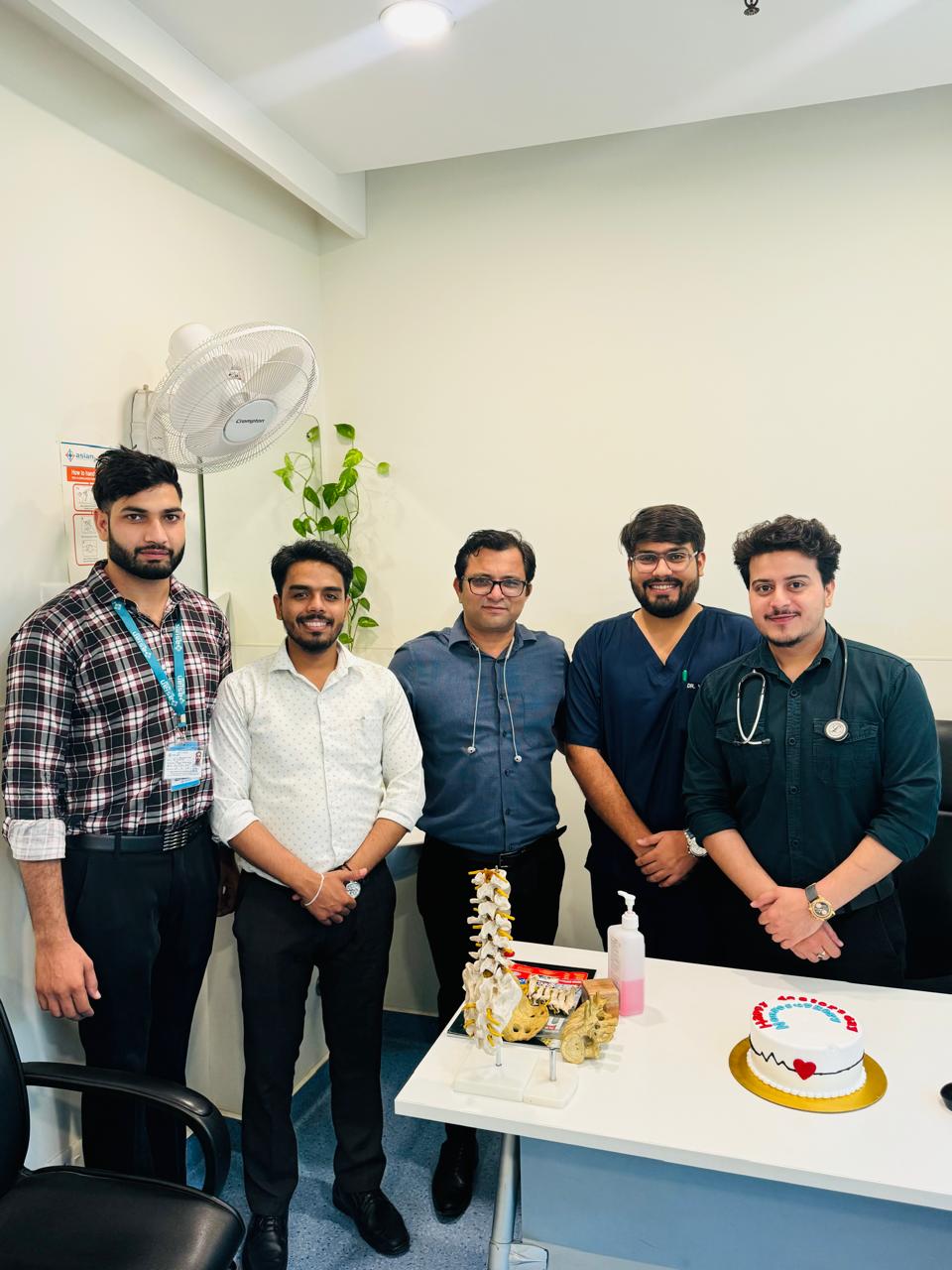
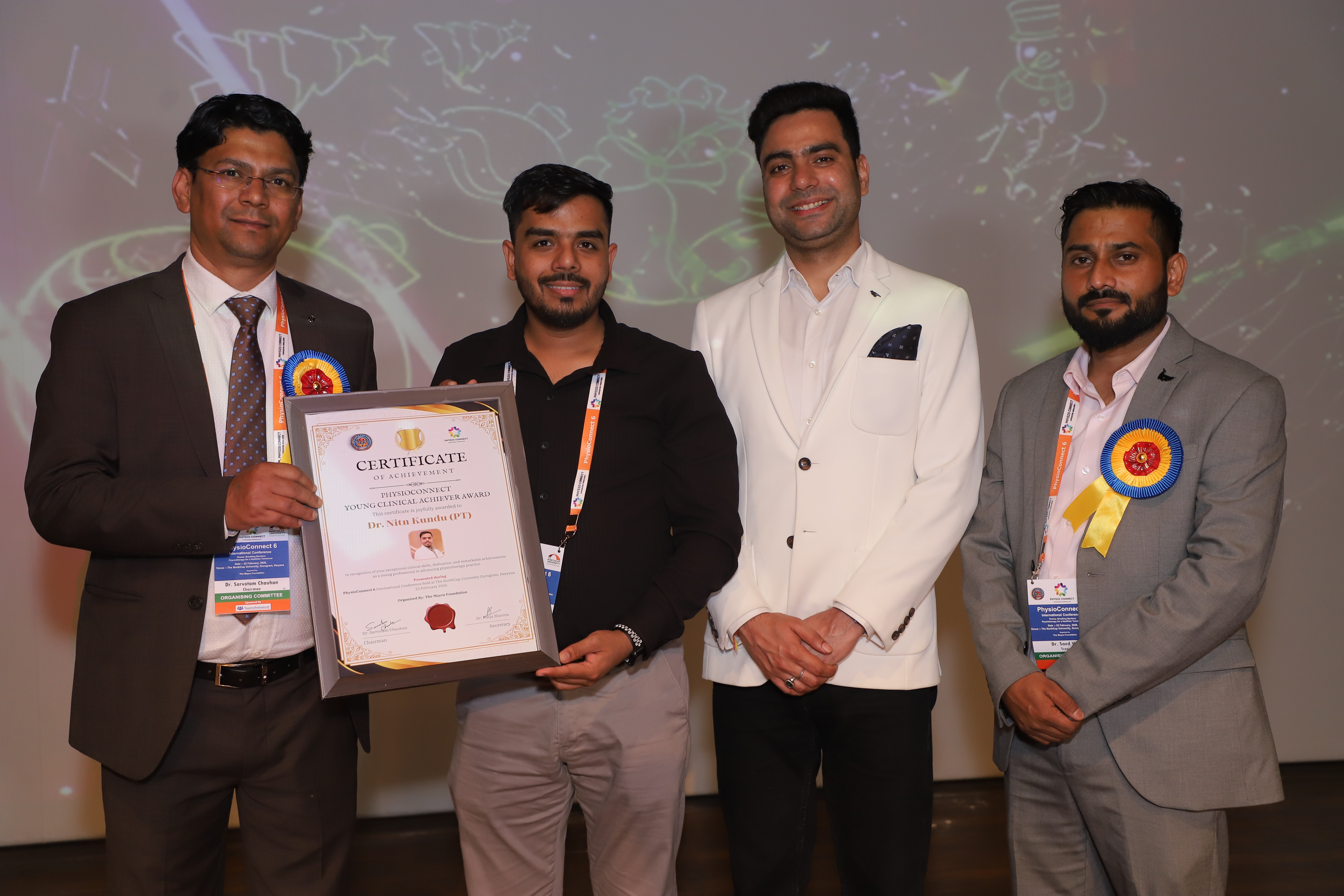
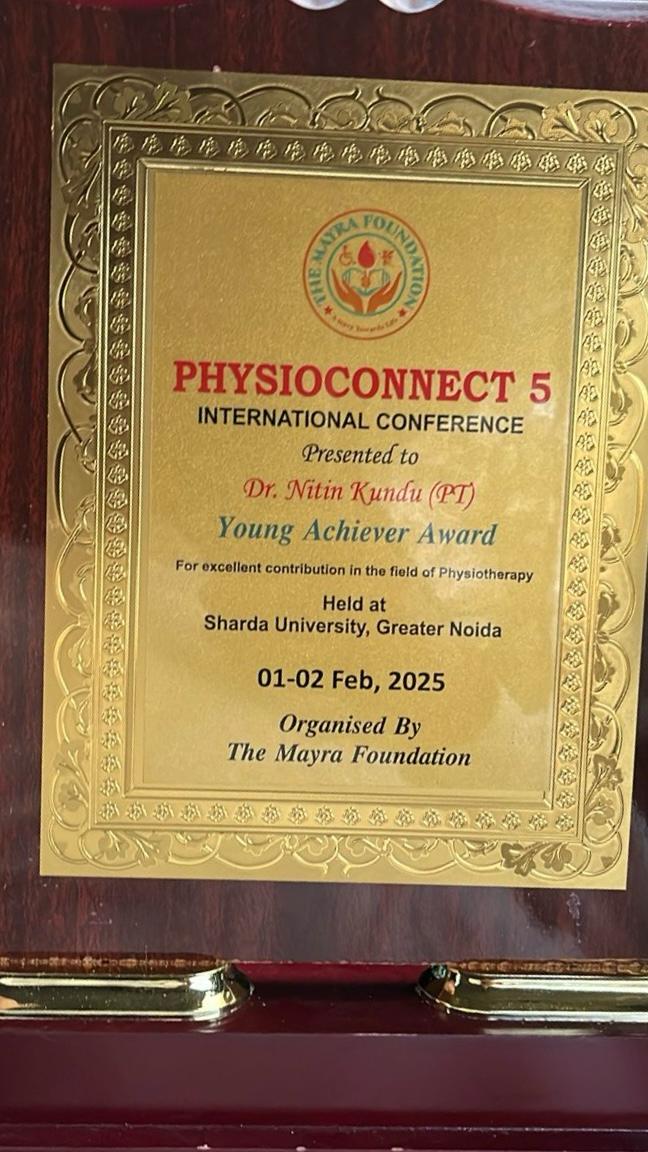
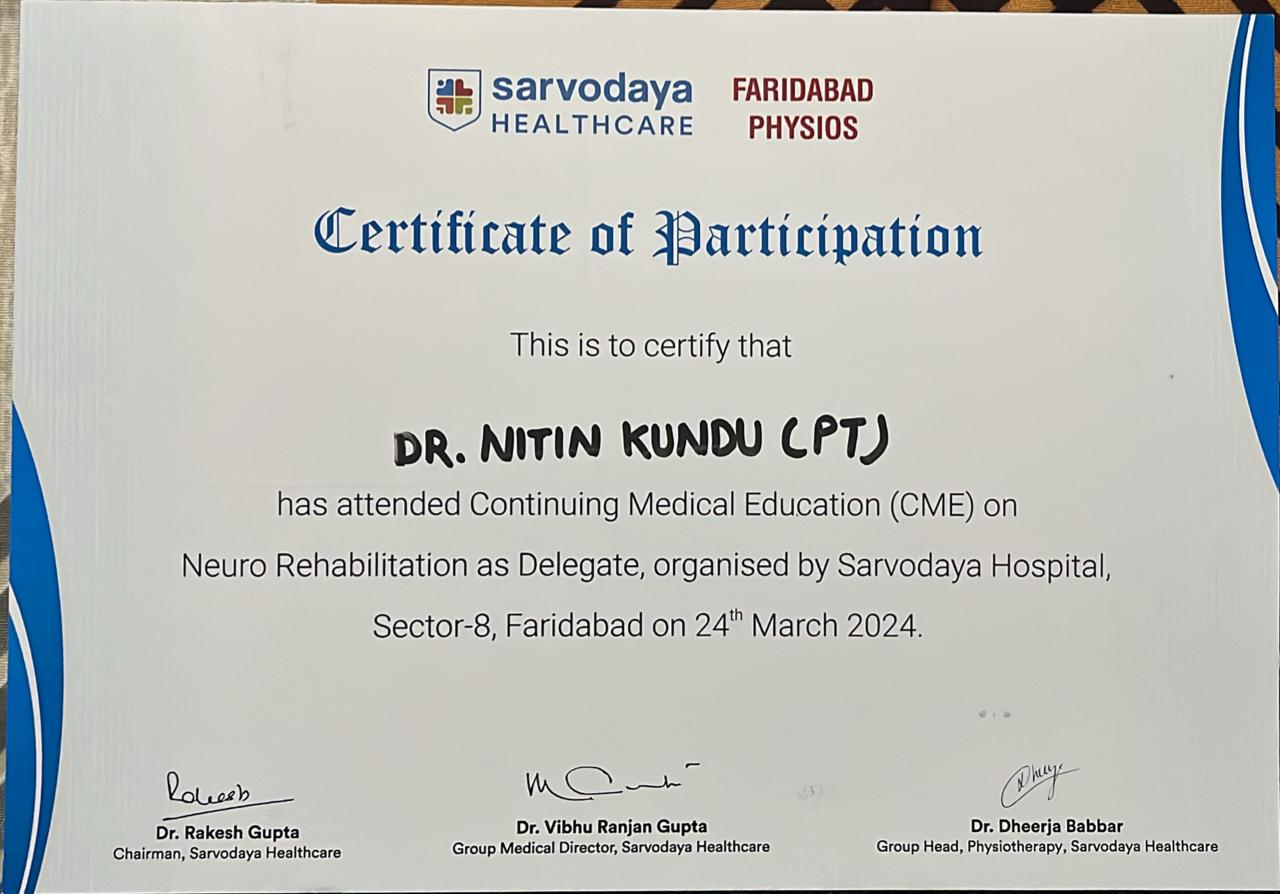
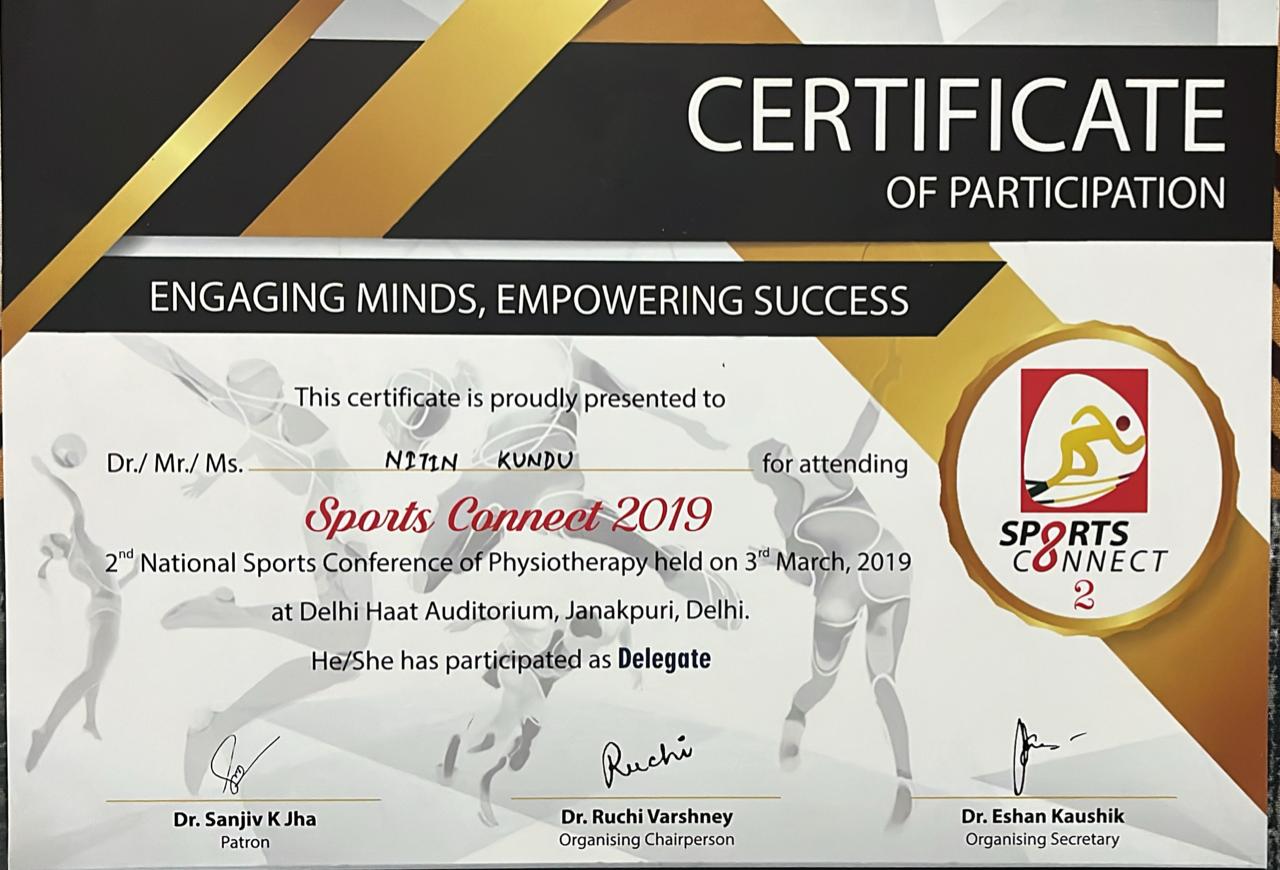
Dr. Nitin Kundu (P.T), BPT, MPT (Neurology), is a highly skilled and experienced Consultant Physiotherapist at the Asian Institute of Medical Sciences, dedicated to helping patients regain strength, mobility, and independence. With a deep understanding of Neurological Rehabilitation and Neuro Physiotherapy care, Dr. Kundu provides comprehensive rehabilitation for conditions such as stroke, Parkinson’s disease, spinal cord injuries, traumatic brain injury, Multiple Sclerosis, and Neuropathy. His patient-focused approach emphasizes recovery, confidence, and long-term well-being, helping individuals lead more active and fulfilling lives.
Registration no. HSCP/PT/2022/1430
Explore a wide range of physiotherapy services designed to restore movement, relieve pain, and improve quality of life.
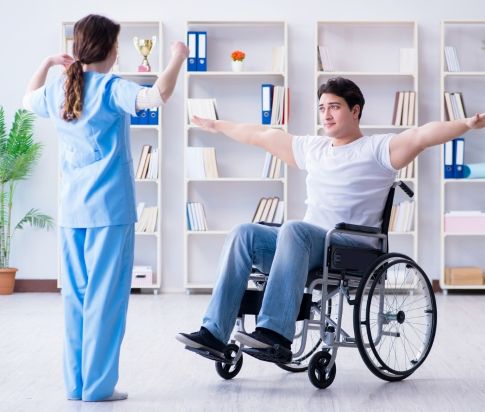
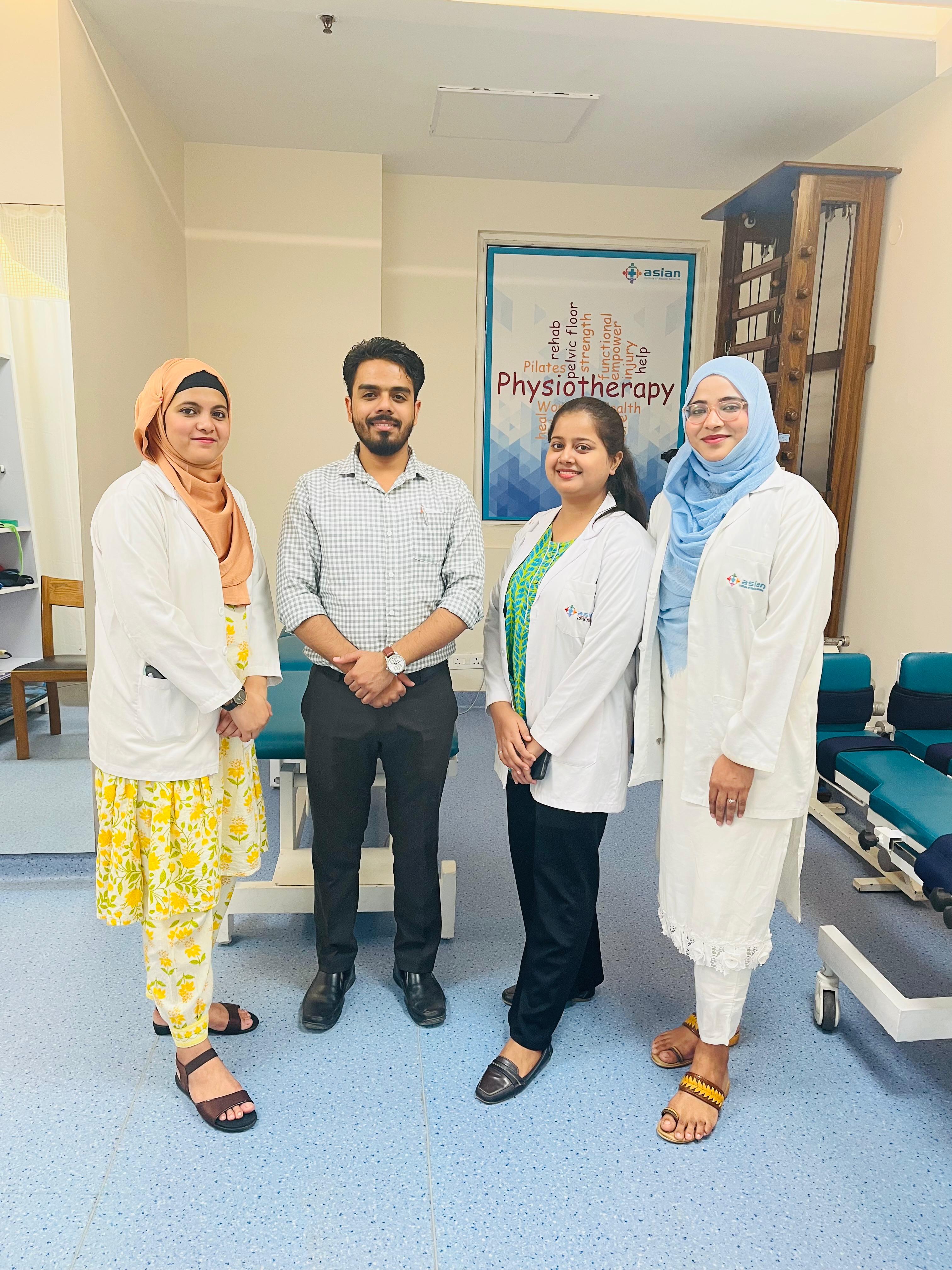
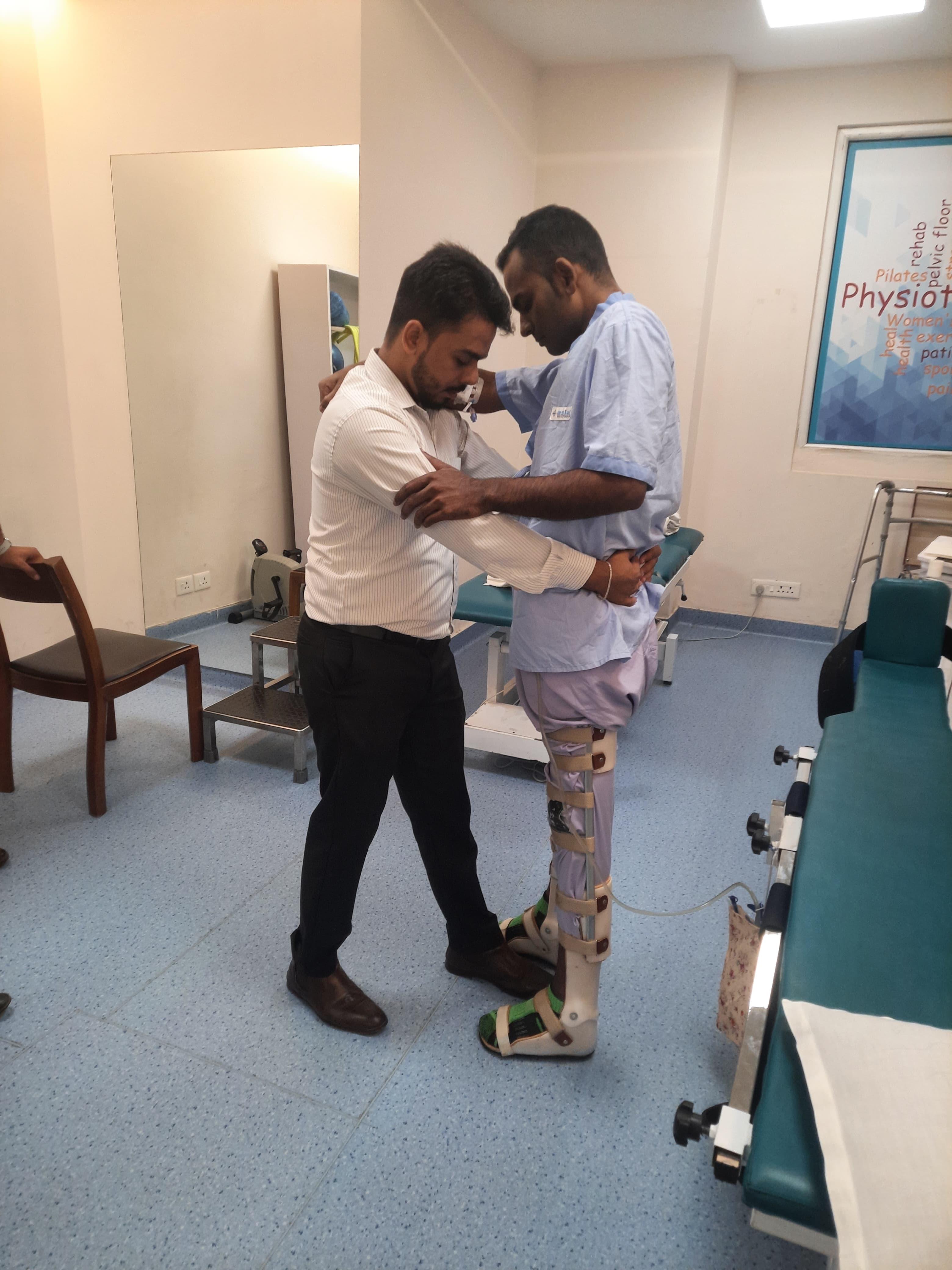
Physiotherapy plays a vital role in improving movement, balance, and daily function for patients with neurological disorders. At our clinic, we provide specialized rehabilitation for conditions such as stroke, Parkinson’s disease, spinal cord injuries, multiple sclerosis, and peripheral neuropathies. Our focus is on retraining the nervous system through targeted exercises, balance training, and functional re-education to help patients regain independence and enhance their overall quality of life.
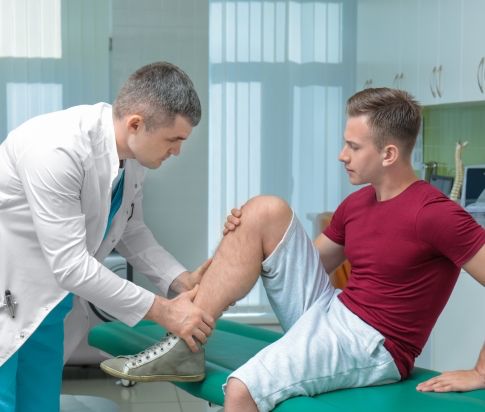
Orthopaedic physiotherapy focuses on restoring strength, flexibility, and mobility after bone, joint, or muscle injuries. Whether you’re recovering from a fracture, joint replacement, sports injury, or dealing with chronic pain, physiotherapy helps you regain normal movement and function safely. Through manual therapy, exercise programs, and posture correction, our goal is to relieve pain, prevent stiffness, and promote long-term recovery.
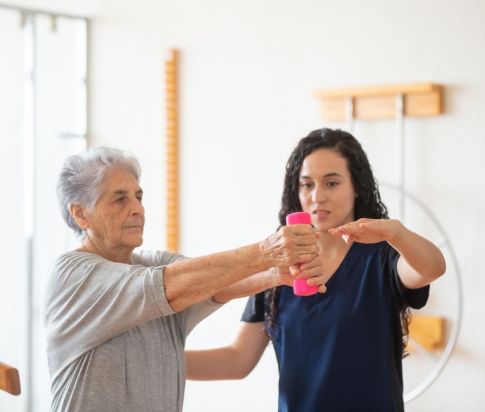
Geriatric physiotherapy focuses on helping elderly individuals maintain their physical independence, manage pain, and improve mobility. With age, issues like joint stiffness, muscle weakness, and balance problems become common — physiotherapy plays a vital role in addressing these challenges. Through customized exercises and rehabilitation techniques, it enhances strength, posture, and overall quality of life for seniors.
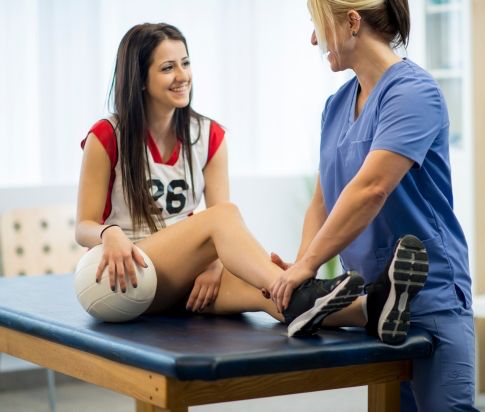
Sports physiotherapy focuses on preventing, diagnosing, and treating injuries that occur during physical activity or sports performance. It helps athletes and fitness enthusiasts recover safely, regain strength, and return to their game stronger than before. With targeted exercises and advanced rehabilitation methods, it improves flexibility, coordination, and endurance while reducing the risk of future injuries.
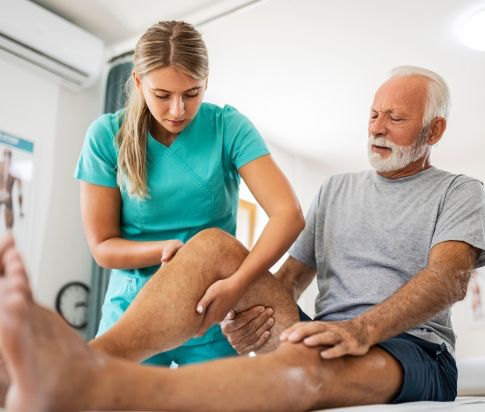
Manual and mobilization techniques involve hands-on therapy that helps restore joint movement, relieve muscle tension, and improve overall flexibility. These techniques are used to reduce pain, increase blood flow, and promote faster healing of injured tissues. By gently mobilizing joints and soft tissues, physiotherapists help restore natural motion and enhance functional recovery.
Neurodevelopmental Therapy (NDT) focuses on improving movement, posture, and coordination in individuals with neurological disorders or developmental delays. It helps retrain the brain and body to work together through guided exercises and functional activities. NDT is commonly used for conditions like cerebral palsy, stroke, or brain injury, promoting better control and independence in daily life.
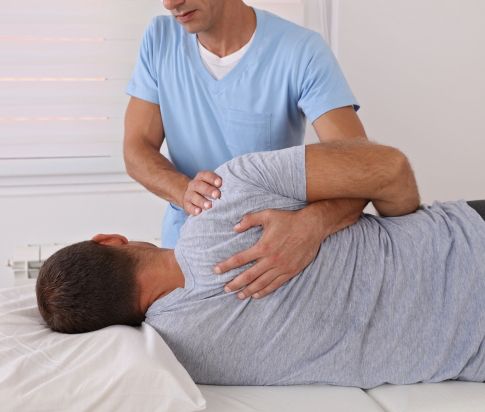
Chiropractic care focuses on diagnosing and treating problems related to the spine, joints, and nervous system. It helps relieve pain, improve posture, and restore body alignment through precise manual adjustments. This therapy is highly effective for back pain, neck stiffness, headaches, and joint discomfort, promoting natural healing without medication or surgery.
Post-surgery rehabilitation helps patients recover safely and regain strength, flexibility, and function after an operation. It plays a crucial role in reducing pain, improving mobility, and preventing complications like stiffness or muscle weakness. Through guided exercises and personalized care, physiotherapy ensures a smooth and faster recovery process, helping you return to your normal activities with confidence.
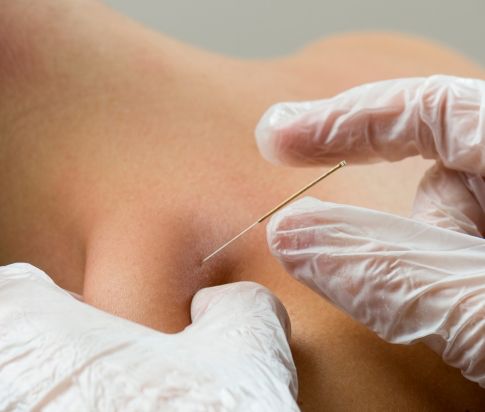
Dry needling is a modern physiotherapy technique used to relieve muscle pain, tightness, and trigger points. Fine, sterile needles are inserted into specific areas of the muscle to release tension, improve blood flow, and promote natural healing. It’s an effective treatment for chronic pain, sports injuries, and muscle stiffness, helping restore normal movement and flexibility.
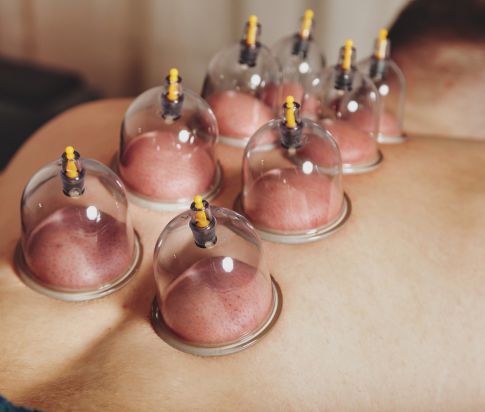
Cupping therapy is a traditional and effective physiotherapy technique used to relieve pain, improve circulation, and promote healing. Special cups are placed on the skin to create suction, which helps increase blood flow, reduce muscle tension, and remove toxins from the body. It is widely used for pain management, relaxation, and faster recovery from muscle fatigue and injuries.
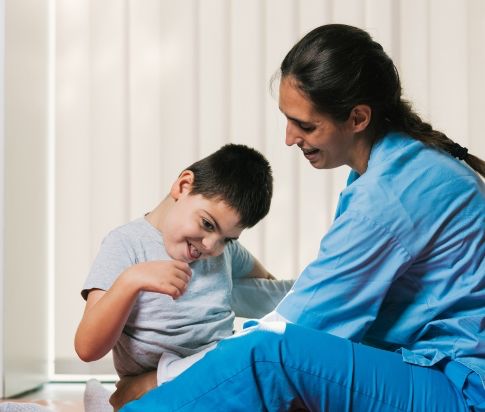
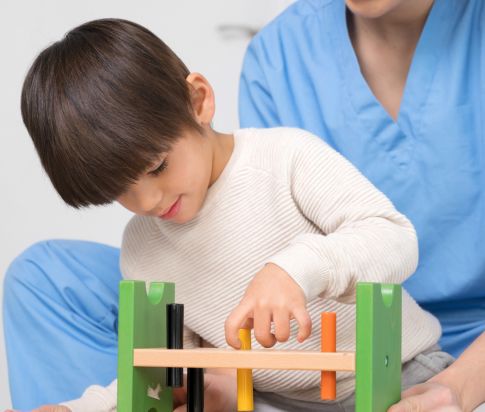
Pediatric rehabilitation focuses on improving the physical, developmental, and functional abilities of infants and children facing movement or neurological challenges. Through specialized therapy techniques, it helps enhance motor skills, balance, coordination, and overall growth. The goal is to support children in achieving maximum independence and improving their quality of life in a safe and child-friendly environment.
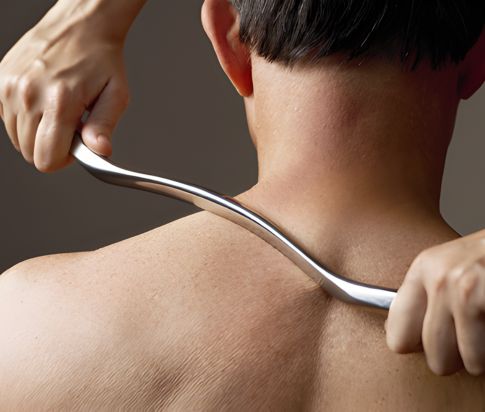
IASTM is an advanced physiotherapy technique that uses specialized instruments to detect and treat soft tissue restrictions, scar tissue, and muscle tightness. By applying controlled pressure with these tools, therapists help break down adhesions, improve blood flow, and stimulate the body’s natural healing process. It is highly effective for improving mobility, reducing pain, and accelerating recovery from injuries.
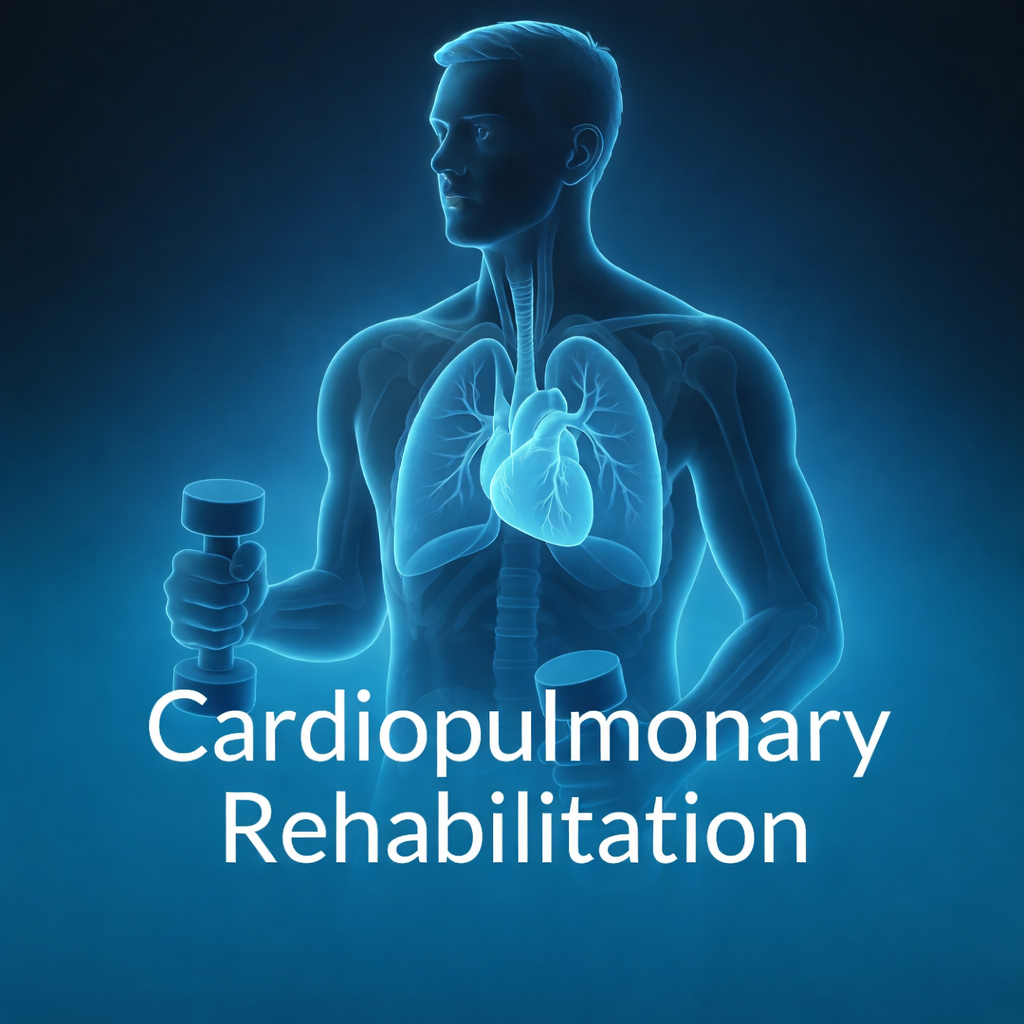
Cardiopulmonary rehabilitation is a specialized physiotherapy program designed to improve heart and lung function in patients recovering from cardiac or respiratory conditions. It includes supervised exercises, breathing techniques, and lifestyle guidance to enhance endurance, strength, and overall cardiovascular health. This program helps patients regain confidence, improve daily functioning, and reduce the risk of future complications.
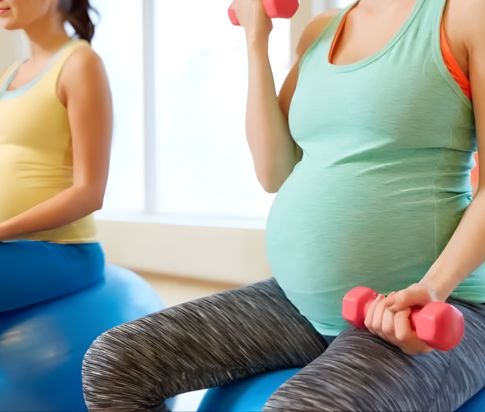
Obs & Gynae rehabilitation focuses on women’s health, especially during pregnancy, post-delivery, and other gynecological conditions. It includes specialized exercises and therapies to strengthen pelvic muscles, improve posture, reduce pain, and support overall recovery. This rehabilitation helps women regain strength, improve mobility, and maintain optimal health at every stage of life.


Early-stage intervention in Parkinson’s Disease is crucial for maintaining mobility, balance, and independence.
Benefits:
Benefits:
Benefits:
Faster Start, Better Recovery
Patients who begin rehabilitation early after a stroke have the best chances of regaining movement, speech, and independence.
Early intervention is crucial to improve brain recovery (neuroplasticity), prevent complications, and restore confidence.
Benefits:
Benefits:
Benefits:
Faster Start, Better Recovery
Patients who begin physiotherapy early after Total Knee Replacement have the best outcomes in mobility, pain reduction, and long-term knee function.
Early rehabilitation prevents stiffness, improves circulation, and helps patients return to daily activities faster.
Benefits:
Benefits:
Benefits:
Benefits:
Faster Start, Better Outcomes
Patients who begin physiotherapy early after Total Hip Replacement recover faster, regain mobility sooner, and reduce the risk of complications.
Early rehabilitation helps restore hip movement, improve muscle strength, and promote safe walking.
Benefits:
Benefits:
Benefits:
Benefits:
Early Start, Better Recovery
Patients who begin rehabilitation early in Guillain-Barré Syndrome recover strength, mobility, and independence faster.
Timely physiotherapy helps reduce complications, rebuild muscle power, and improve functional ability.
Benefits:
Benefits:
Benefits: